
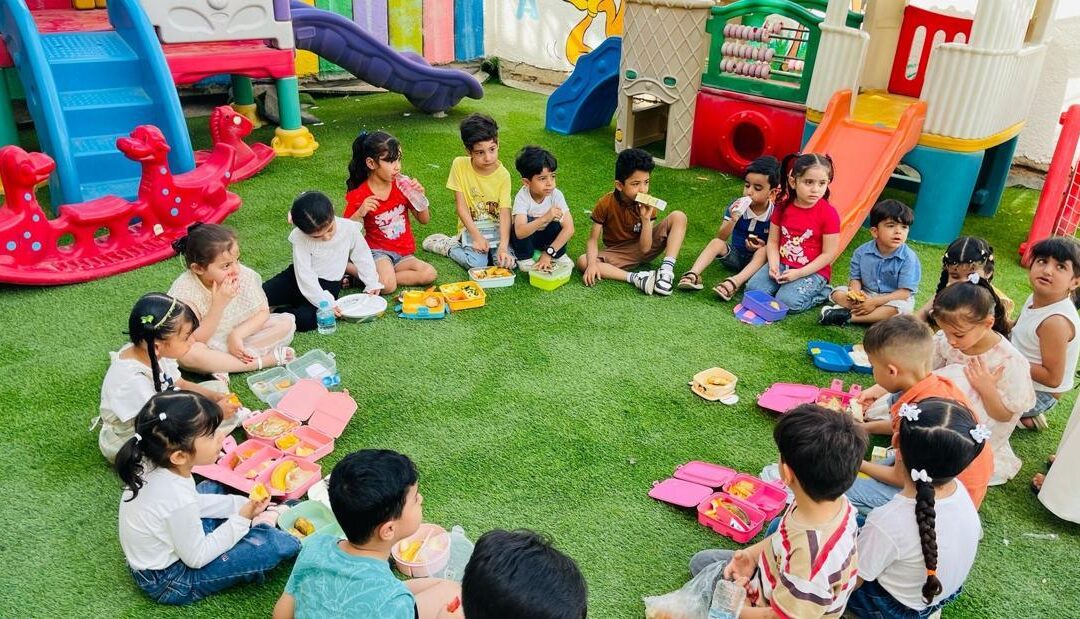

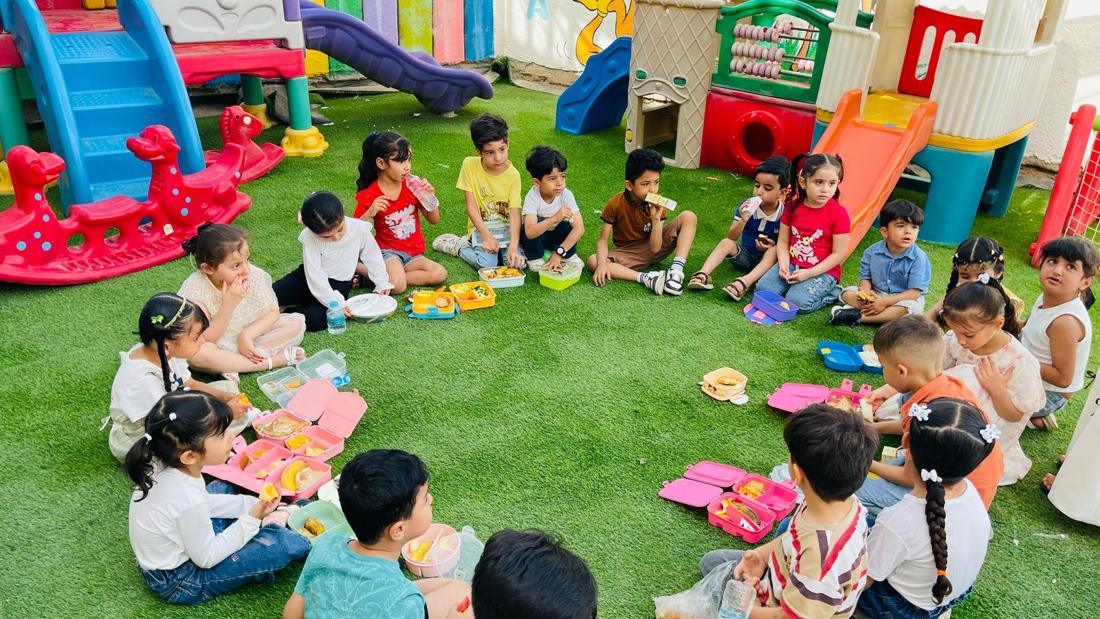
When you watch your child play, or hear them ask “why?” for the tenth time, you may not realise you are witnessing the fastest period of growth in their whole life. In these first six years the foundation is laid for your child’s schooling, relationships and self-confidence. That is why we call them the golden years.
Why “golden”?
Researchers at Harvard University’s Center on the Developing Child say that in the early years a child’s brain forms more than one million new neural connections every second. These connections are the brain’s “roads” for learning: the roads used often grow stronger and stay, while those left unused fade over time.
What strengthens these roads? Not expensive devices or difficult lessons, but very simple things: talking with your child, playing together, a bedtime story, a hug when they are scared, and answering their many questions. Every small moment of attention builds something in their mind and heart.
What does a child learn in these years?
- Language: from a few words to full sentences and stories they tell themselves.
- Thinking: counting, colours, shapes and solving simple problems.
- Feelings: expressing anger, sadness and joy, and learning to calm down.
- Relationships: sharing, waiting their turn, and their first friendships.
- The body: running and jumping with more strength, and small hands getting ready to hold a pencil.
A child who starts first grade knowing how to listen, express themselves and enjoy learning begins school with a confident step. That does not happen by chance; it is built day by day before school.
Five daily habits that make a difference at home
- Talk with them a lot: describe what you are doing while you cook or shop: “Now we wash the vegetables, this is a red tomato.” Every word they hear builds their language.
- Read or tell a story every evening: just ten minutes is enough, even if the story comes from your own memory.
- Play for fifteen minutes without your phone: let them choose and lead the game, and be their partner.
- Answer their questions patiently: “Why?” is not a nuisance; it is a mind learning. If you don’t know the answer, say: “Great question, let’s find out together.”
- Give them a steady routine: regular times for sleep, meals and play make them feel safe, and a child who feels safe learns better.
How we walk alongside your child at Olive Branch
Since 2014 in Nasiriyah, we have believed that every child deserves a strong start. That is why our day is built around three words: care, knowledge and skills:
- Classes by age from two to six years old, with a curriculum combining Arabic, maths, science and English through age-appropriate activities.
- Art, movement and focus: handwriting, colouring, drawing and sport, for the growth of mind and body together.
- A dedicated programme for children with special needs and autism, with speech and communication sessions and motor-skills work.
- A safe, warm setting, healthy food, and transport for families who need it.
- Registration priority for orphans, and reduced or free fees for low-income families.
And we don’t work alone: we partner with every family and follow each child’s progress with them step by step, because what begins in class in the morning is completed at home in the evening.
A final word
These six years will not come again. The good news is that you don’t need to be a teacher or an expert to make a difference in them. It is enough to be present: to talk, play, read and hug. And we at Olive Branch are here to walk the rest of the way with you.
Do you have a question about your child’s development or our programmes? Message us on WhatsApp, or visit us on Al-Nil Street in Nasiriyah. We would love to meet you and your child.
Source: Center on the Developing Child, Harvard University — «Brain Architecture».